
Students react to university’s decision to resume in-person classes
VUMC anesthesiologist charged with 15 counts of sexual exploitation
UPDATED: Classes canceled, some students left without power, water and heat following winter storm
Film Room: New kid on the block
IN PHOTOS: Snowpocalypse
BREAKING: University cancels in-person classes due to inclement weather
BREAKING: All in-person classes canceled for Jan. 29, and Jan. 30
Vanderbilt moves forward with full-time undergraduate campus in San Francisco, graduate campus in West Palm Beach
Men’s Basketball: Vanderbilt dominates Kentucky, wins 80-55 in Memorial Gymnasium
Vanderbilt LifeFlight helicopter crash leaves 1 dead, 2 critically injured
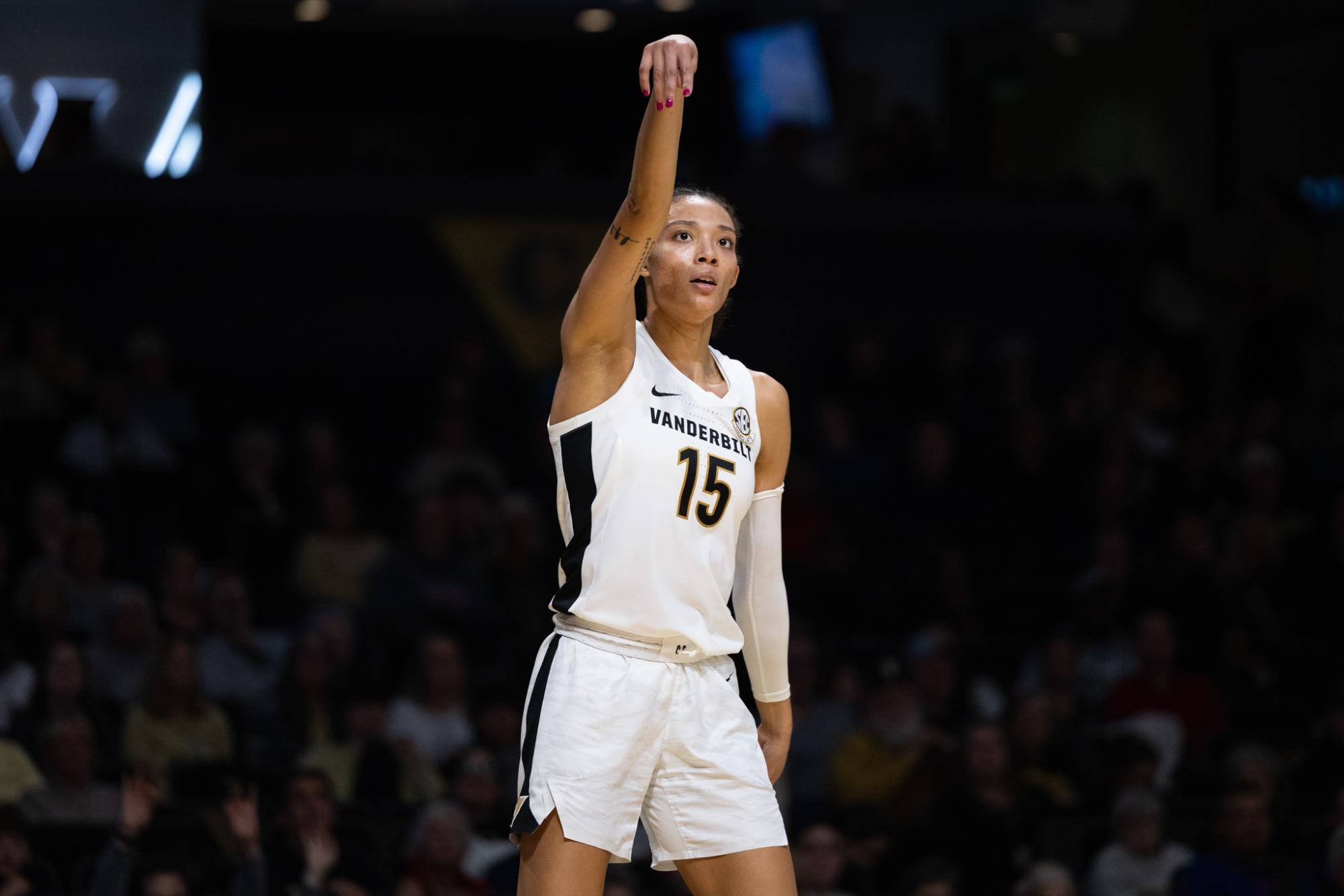
After a loss to Ole Miss on Jan. 30, No. 5 Vanderbilt Women’s Basketball (20-2, 6-2 SEC) will look to steady itself as it returns home to face Florida (13-10, 1-7 SEC) during a demanding stretch of SEC play.
The defeat marked a second consecutive setback for Vanderbilt following its first loss of the season earlier in the week, testing the resilience of a team that had rarely faced adversity. While the Commodores remain one of the SEC’s most disciplined defensive units, recent results have challenged their ability to consistently impose their identity.
Florida enters the matchup after another loss to ranked opposition, continuing a difficult run through conference play. The Gators have found it challenging to generate consistent offense against elite teams, underscoring the fine margins of SEC competition.
With both teams searching for stability, Saturday’s matchup carries added weight. Vanderbilt will look to regroup at home, while Florida aims to capitalize on an opportunity to gain traction in a conference that leaves little room for error.
The guard matchup between both teams will, as always, play a central role in determining the flow of the game. Vanderbilt’s backcourt operates within a structured system built on balance and defensive pressure, while Florida leans heavily on individual shot creation from its primary scorers.
Vanderbilt is led by guard Mikayla Blakes, who averages 24.7 points per game, while anchoring the Commodores’ perimeter defense with 3.1 steals per contest. Her scoring versatility allows Vanderbilt to remain flexible offensively, particularly when paired with point guard Aubrey Galvan, who averages 6.3 assists per game and dictates the tempo in half-court sets. Together, the duo enables Vanderbilt to limit rushed possessions and capitalize on defensive stops.
Florida’s offense, by contrast, is driven largely by guard Liv McGill, who averages 23 points per game and carries much of the scoring burden late in possessions. When McGill is able to create space and attack downhill, the Gators are at their most effective. However, against disciplined defenses, Florida has struggled to generate consistent secondary offense, placing additional pressure on its guards to produce in isolation.
The difference lies in the system support. Vanderbilt benefits from multiple ball handlers and a defensive structure that creates transition opportunities. In contrast, Florida often relies on individual shot-making to stay competitive. If the Commodores can pressure the ball and limit clean looks early, they will be positioned to control pace and force Florida into difficult half-court possessions.
For the Commodores, cleaning up turnovers will be one of the most important points of emphasis entering Sunday’s matchup with Florida. They are looking to rebound from their performance against South Carolina, where they accumulated a season-high 20 turnovers
“We turned the ball over 16 times in the first half, which was going to make it hard for us to win a game like that,” head coach Shea Ralph said after the game.
Before the South Carolina game, the Commodores had been one of the most disciplined conference teams in that area, averaging just 12.9 turnovers per game this season. While those mistakes were costly, the takeaway moving forward is very clear: Vanderbilt cannot afford similar stretches against SEC opponents.
Even with a different defensive setup from Florida, Vanderbilt must value every possession. The Gators are ambitious and quick to capitalize on turnovers. For the Commodores, this means avoiding hurried passes by deliberately controlling the tempo — something that has paved the way for their historic start to the season. When Vanderbilt has been able to dictate the pace and dominate possessions, their opponents have been consistently put on their heels.
Florida, meanwhile, enters the matchup averaging 16.5 turnovers per game, a vulnerability the Black and Gold should look to exploit. The Gators have struggled at times with ball pressure and decision-making, particularly when opponents disrupt passing lanes and force them to play significantly faster than they want. That presents a key opportunity for Vanderbilt to flip the script defensively and turn Florida’s mistakes into controlled offensive possessions rather than trading turnovers.
The Commodores and the Gators enter this meeting on opposite ends of the SEC in terms of fouls, a contrast that is likely to shape the game for long stretches. Florida leads the conference in fouls per game, averaging 19.1, while Vanderbilt ranks third-lowest at just 14.4 per contest. That gap reflects two very different defensive profiles, creating a measurable edge for the Commodores to apply pressure throughout four quarters.
For Florida, foul trouble often results from playing a step or two behind on defense. When the Gators are forced to guard multiple actions or recover late, contact becomes the fallback. Against Vanderbilt’s spacing and ball movement, that tendency could be magnified, especially if Florida struggles to stay in front of drives. Each whistle not only puts points on the board but also forces lineup adjustments that may disrupt the rhythm.
However, Vanderbilt is positioned to benefit from that imbalance. Consistent pressure makes it harder for defenders to stay in front without fouling. If the Commodores can attack early, keep Florida defending deep into possessions and cash in at the free-throw line, the whistle disparity could begin to heavily dictate momentum. In a game expected to be decided by execution, the difference between the SEC’s most foul-prone team and one of its most efficient defensive units may prove decisive.
Vanderbilt will host Florida in the SEC matchup Feb. 1 at 3 p.m. CST.
The official student newspaper of Vanderbilt University
Your email address will not be published.
Subscribe to Updates
Get the latest creative news from FooBar about art, design and business.
Women’s Basketball: Previewing Vanderbilt vs. Florida – The Vanderbilt Hustler